





News
A Collection Of Restaurant, Food, Drink And Hospitality News From All Over South Africa
Cape should seize thriving potential for year-round luxury tourism, says international owner of Vergenoegd Löw
26 February 2026
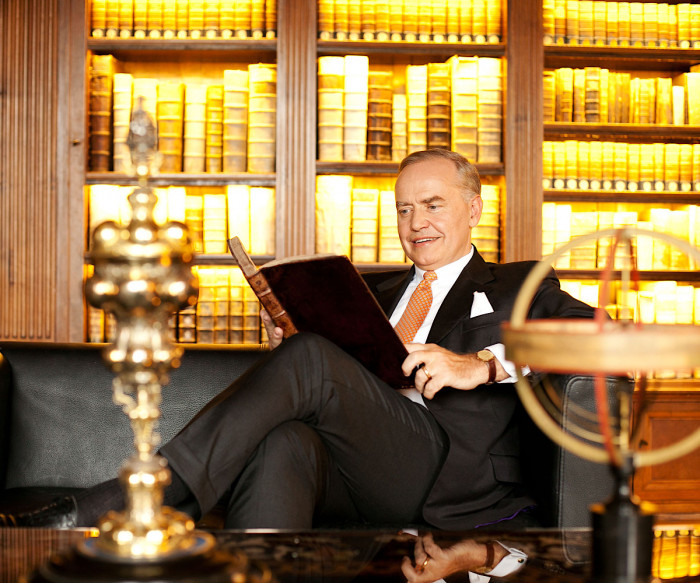
South Africa is particularly well positioned to capitalise on several key growth trends in global tourism, believes Prof Dr Dr Peter Löw, German entrepreneur, philanthropist, heritage advocate and active investor in luxury tourism in Europe.
He is also the owner of Vergenoegd Löw, the historic Stellenbosch 160 ha wine estate that he acquired in 2015 and then went on to revitalise and transform into a thriving heritage, agro-ecological enterprise. Today it includes a complex of fully restored 18th century classic Cape Dutch heritage buildings (declared a National Monument in 1974), entirely replanted vineyards, mixed crops, livestock, indigenous gardens, rehabilitated wetlands, an award-winning winery, luxury boutique lodgings, a farm-to-table restaurant with another luxury dining venue in the pipeline, walking trails and a tranquillity treatment and wellness spa.
In the country to mark the 330th anniversary of the farm, he is urging others in the local tourism sector to make the most of the exciting potential flowing from several intersecting current trends in travel and tourism. He identifies these as a worldwide rise in wine tourism, linked closely to the increase in agritourism and the growing appetite for multi-dimensional, luxury and exclusive travel experiences delivered within the context of sustainability and authenticity.
The holistic overhaul of Vergenoegd Löw, with the accent on environmental, heritage and cultural preservation, could serve as an example of what more genuine, farm-based luxury year-round hospitality could look like at the Cape, he contends. This, as the region’s appeal grows for international and domestic travellers.
“We know from recent research (1) undertaken by Geisenheim University in Germany together with UN Tourism and the Organisation of Vine and Wine (OIV) amongst others, that wine tourism has become a key economic contributor to the wine sector, accounting today for around 25% of total wine revenue globally.”
Citing the findings from the Global Wine Tourism Report for 2025, he said that close to two-thirds (65%) of wine tourism providers interviewed for the report described their involvement as either “profitable” or “very profitable”.
Wine tourism providers, he says, are increasingly moving beyond static wine tastings. They are building revenue via deeper storytelling, themed tastings, guided vineyard walks and tailored farm tours, and they are giving visitors the opportunity to experience the seasonal produce from the health-giving soil beneath their feet.
“Now consider that momentum against the background of South Africa’s soaring popularity as a tourist destination. South Africa’s Department of Tourism reported the number of international visitors to the country last year as reaching almost 10,5 million, an 18% increase on the previous year.
“Tourists to South Africa come for a variety of reasons, including the natural beauty and biodiversity, the scenic appeal and wide-open spaces. They are also tapping into the wealth of immersive experiences available to them - from local culture, creativity and heritage options to culinary and wine experiences, wellness and outdoor activities.
“Obviously not all of them are luxury tourists. But luxury tourism worldwide is also on the rise. Projections are that it could reach anywhere from US$2,36 trillion to US$4,5 trillion a year in value within the next decade (2).
“What is driving this luxury growth and what is it that luxury tourists want? Younger, more affluent travellers, many from newly emergent economies, women with higher disposable incomes and multi-generational families are fuelling the growth.
“They are looking for less congested, less commercialised spots that offer authenticity, variety, but also privacy, personalisation and the discovery of the new. New narratives, new gastronomy, new wine offerings, new adventures, rooted in place, mindfulness, sustainability, nature and all its seasons as more travellers prioritise eco and social values.
“From our own experience, we are finding that the new drivers of luxury farm-based hospitality growth are the pursuit of calm, restful, regenerative stays on working farms that offer excellence in local wine and culinary culture, and where there is clear evidence of land and cultural stewardship. Travellers seek a deeper cultural connection and wellness rather than ostentation. Every nuanced change in season offers the opportunity for new activities and experiences.”
For those owners whose properties hold a wealth of socio-cultural history, he urges them to research, restore, protect and sustain the precious heritage for successive generations. “Don’t let the legacy vanish. Keep it alive for those who come after us.
“And it is incumbent on us all not to over-exploit the Cape’s natural treasures. By building wine tourism regeneratively and by protecting and highlighting the rich culinary traditions with mindfulness and responsibility, we can grow the sector, along with job and upskilling opportunities.”
Prof Dr Dr Löw heads the European Heritage Project that includes a portfolio of luxury hospitality properties in Germany, Austria, Italy and Malta, in addition to Vergenoegd Löw that was founded in 1696.
Geuwels at Vergenoegd Low
Stellenbosch, Western Cape Grills, South African, Tapas, Vegetarian, Wine bar
Geuwels is both Vergenoegd Löw’s beating wine heart and home to our casual but refined farm-to-table restaurant. As we say in our cellar - we let the grapes dictate the winemaking. A...